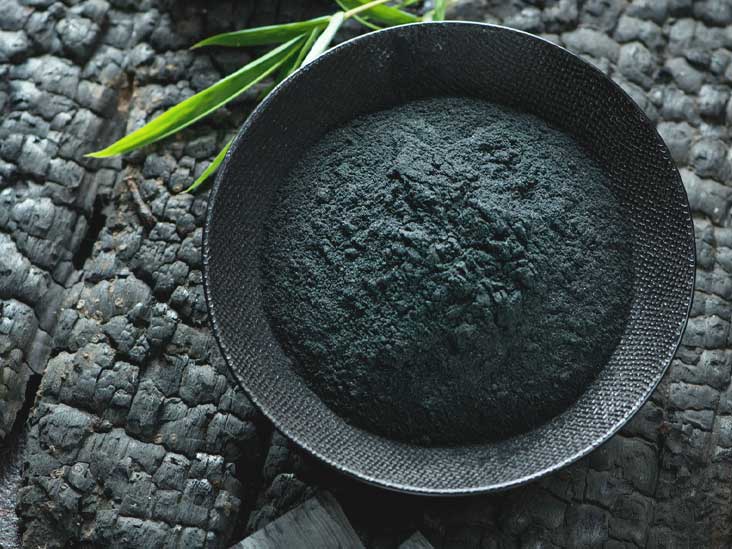
In the modern era, clean water and fresh air are essential for human health and well-being. One of the most effective materials in purification processes is activated carbon derived from charcoal.
Activated carbon possesses a remarkably high adsorption capacity, enabling it to eliminate various contaminants, odors, and hazardous substances from both water and air. Its complex porous structure allows it to adsorb pollutants, including heavy metals, harmful chemical compounds, and microorganisms, establishing it as a principal material in modern filtration systems.
For more in-depth information regarding activated carbon derived from charcoal, please refer to the following source Activated Carbon from Charcoal.
What Is Charcoal-Derived Activated Carbon?
Charcoal-derived activated carbon is made by converting charcoal into highly porous activated carbon. This process involves heat treatment and chemical agents, creating a network of micro- and mesopores. As a result, the carbon’s surface area increases to 1000–1500 m² per gram, allowing it to efficiently trap pollutants.
Key Advantages
One major advantage is its high adsorption efficiency. Specifically, its porous structure captures small particles, chlorine, organic compounds, unpleasant odors, and certain heavy metals. Consequently, it is effective for industrial, commercial, and household applications.
Using charcoal as a raw material also makes this activated carbon environmentally friendly, derived from renewable biomass, and having a lower carbon footprint than synthetic alternatives. In many cases, it can also be regenerated or recycled after use, including in transactions involving sustainable water and air purification processes.
Applications in Water Purification
Activated carbon is also used in air filtration systems. It can effectively remove volatile organic compounds (VOCs), odors, smoke, and other gaseous pollutants in indoor environments, industrial exhausts, and ventilation systems. In this way, its large surface area and porous structure make it highly effective at trapping airborne contaminants.
Applications in Air Purification
Water purification is a primary use of charcoal-derived activated carbon. For example, it is widely used in household and industrial filters to remove chlorine, sediments, pesticides, and other organic contaminants. Thus, its adsorption properties ensure cleaner, safer, and better-tasting drinking water.
Industrial and Chemical Uses
In the chemical and pharmaceutical industries, charcoal-derived activated carbon is used to purify chemicals, remove color, and eliminate unwanted by-products. As a result, its efficiency ensures high-quality final products and supports compliance with safety and environmental standards.
Environmental and Wastewater Treatment
Activated carbon also plays a crucial role in environmental protection. In particular, it effectively adsorbs organic pollutants and heavy metals present in wastewater. As a result, industries that use this material can significantly reduce their environmental impact. Moreover, by removing harmful substances, it helps companies comply with strict environmental regulations.
Consequently, the use of charcoal-derived activated carbon not only supports cleaner water but also promotes sustainable industrial practices. In addition, ongoing regeneration and recycling of the carbon further enhance its environmental benefits, ensuring a more efficient and eco-friendly wastewater treatment process.
Conclusion
Charcoal-derived activated carbon is a versatile and highly efficient material widely employed in purification applications. Its remarkable adsorption capacity, eco-friendly properties, and broad range of applications render it indispensable in modern filtration and environmental management.
Activated carbon derived from charcoal plays a pivotal role in water treatment, air purification, chemical processing, and environmental management. As global awareness of water and air quality continues to grow, the significance of charcoal-derived activated carbon is expected to increase correspondingly. For more information, visit Jacoid.