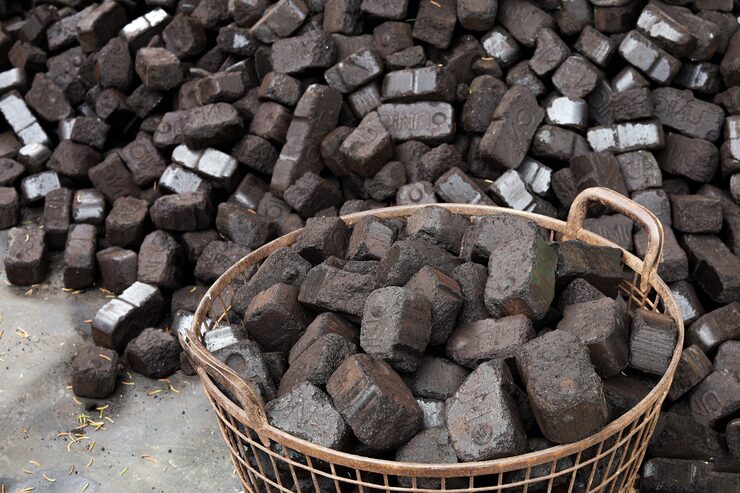
Green Energy Briquette Production Is a Sustainable Solution for Clean Renewable Fuel
Green energy briquette production converts organic and biomass waste such as coconut shells, sawdust, rice husks, wood chips, and agricultural residues into compact, high-density briquettes. These briquettes are created through drying, grinding, and compressing raw materials under high pressure.
The result is a solid fuel block that burns longer, cleaner, and hotter than traditional charcoal or firewood. Because it uses renewable and often discarded biomass, this process reduces waste while providing a sustainable energy option.
Why Briquettes Are Becoming a Reliable Green Energy Source
The global movement toward renewable energy continues to increase the importance of briquette fuel. Several key advantages make it a reliable and practical choice:
1. Consistent Heat Output
Uniform shape and density ensure even heat distribution. This makes briquettes ideal for households, cafés, restaurants, and small industries that rely on stable temperature control.
2. Longer Burn Time
Their compact structure allows briquettes to burn for extended periods, reducing the need for frequent refueling. This enhances convenience and improves operational efficiency for commercial use.
3. Cleaner Combustion
Green energy briquettes produce minimal smoke and ash. Their low moisture content and reduced impurities improve air quality and minimize soot buildup on equipment.
4. Renewable and Eco-Friendly
Because briquettes are made from renewable biomass waste, they help reduce dependence on fossil fuels and lessen deforestation caused by firewood harvesting.
The Production Process: Turning Waste Into Energy
The transformation of raw biomass into reliable green briquettes involves:
-
Collecting biomass waste — coconut shells, sawdust, rice husks, and similar materials.
-
Drying — lowering moisture to improve burning efficiency.
-
Crushing and grinding — turning raw materials into fine particles.
-
Mixing and binding — natural binders may be added for strength.
-
High-pressure compression — forming compact, durable briquettes.
-
Cooling and packaging — preparing briquettes for distribution.
The result is fuel that is reliable, efficient to store, and easy to transport.
Supporting a Greener Future With Briquette Energy
As energy demands rise globally, green energy briquette production offers a scalable and sustainable solution. It supports local economies, reduces waste, and encourages responsible energy consumption.
For households, briquettes provide affordability and dependable performance. For businesses, they offer a stable heat source for daily operations. For the environment, briquettes represent a cleaner and renewable alternative to traditional fuels.