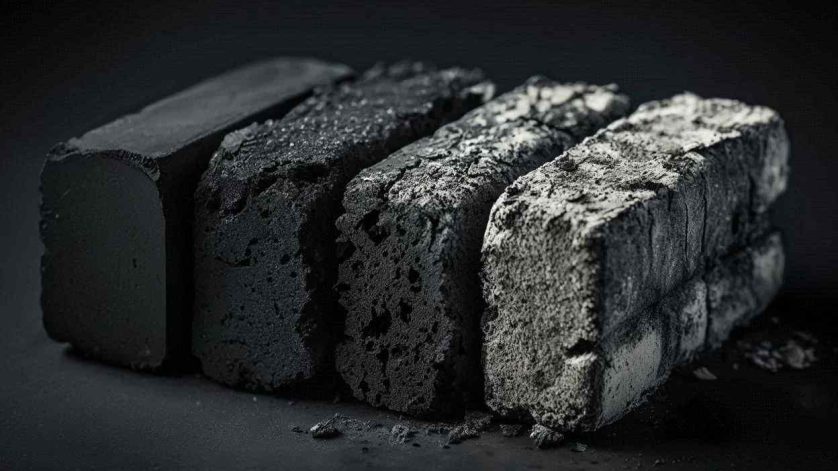
Hookah charcoal comparison guide helps users understand different charcoal types and choose the best option for consistent performance. Since charcoal directly impacts heat, airflow, and flavor, selecting the right type becomes essential.
In many cases, users focus only on price or availability. However, performance factors such as ash level, density, and burning duration play a much bigger role. Therefore, comparing these elements allows better decision making.
To explore more about charcoal quality, you can visit low ash charcoal vs regular charcoal for hookah and access additional information at evilmutant.com.
Main Types of Hookah Charcoal
First of all, understanding the main charcoal types is necessary before making a comparison. Each type offers different advantages and limitations.
Coconut charcoal is widely recognized for its stable heat and low ash production. Therefore, it is commonly used for premium hookah sessions.
On the other hand, quick-light charcoal is easier to ignite but contains additives that affect flavor and burning quality.
Meanwhile, wood charcoal provides basic performance but lacks consistency compared to coconut-based charcoal.
- Coconut charcoal for premium sessions
- Quick-light charcoal for convenience
- Wood charcoal for basic use
Key Comparison Factors
Next, several important factors should be evaluated when comparing hookah charcoal. These elements directly affect session quality and efficiency.
1. Heat Stability
To begin with, high-quality charcoal provides consistent heat throughout the session. Therefore, users can maintain steady temperature without frequent adjustments.
In contrast, low-quality charcoal produces uneven heat, which disrupts performance.
2. Ash Production
Furthermore, low ash charcoal keeps airflow clear and reduces maintenance during sessions.
On the other hand, high ash charcoal creates buildup that blocks heat transfer.
3. Burning Duration
Additionally, premium charcoal burns longer, allowing extended sessions with fewer replacements.
Meanwhile, lower quality charcoal burns faster and reduces efficiency.
4. Clean Burning
Equally important, clean burning charcoal does not produce strong odors or chemical smoke.
As a result, users can enjoy pure and consistent flavor.
Performance Comparison in Real Use
In practice, coconut charcoal consistently delivers the best performance across all categories. It maintains stable heat, produces minimal ash, and burns longer.
Quick-light charcoal, although convenient, often sacrifices flavor quality due to chemical additives. Therefore, it is less suitable for long sessions.
Wood charcoal performs moderately but lacks the consistency required for high-quality hookah use.
Common Mistakes When Comparing Charcoal
However, many users make incorrect assumptions when comparing charcoal. For example, choosing based only on price often leads to poor performance.
In addition, ignoring ash level and burn duration can result in unstable sessions and frequent interruptions.
Therefore, users should focus on performance metrics instead of short-term cost.
- Comparing based on price only
- Ignoring ash level
- Not testing burn duration
- Overlooking material quality
Best Practices for Choosing Charcoal
Finally, selecting the right charcoal requires careful evaluation. Users should test samples and observe performance during actual sessions.
In addition, verifying product specifications such as ash percentage and carbon content helps ensure quality.
Maintaining proper heat management techniques also improves overall results regardless of charcoal type.
- Test charcoal before bulk use
- Check ash percentage
- Evaluate heat stability
- Use proper heat management
Conclusion
In conclusion, hookah charcoal comparison guide highlights the importance of evaluating heat stability, ash production, and burning duration. These factors determine overall session quality.
By choosing high-quality coconut charcoal, users can achieve better performance, cleaner sessions, and more consistent results.
