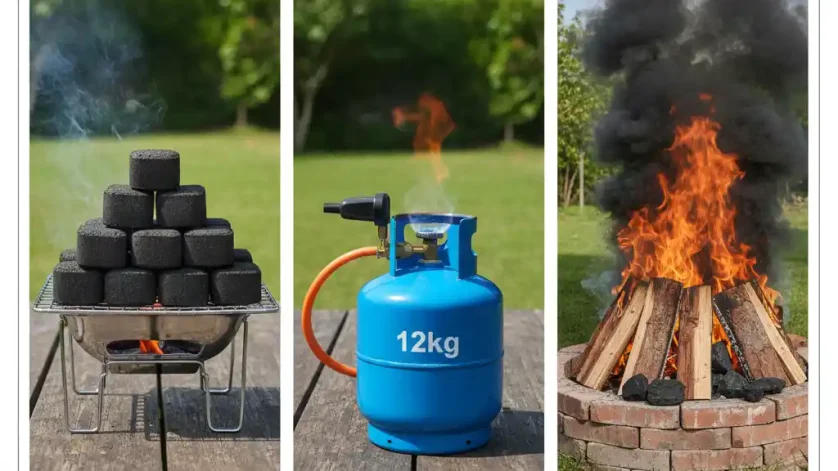
Understanding the comparison of charcoal briquettes with LPG gas and firewood environmental impact is important for households, businesses, and industries seeking cleaner energy choices. For a broader explanation of fuel performance and sustainability, you can explore the main article, Comparison of Charcoal Briquettes with LPG Gas and Firewood, which outlines key differences and practical considerations. Additional insights on digital trends, environmental awareness, and resource management are also available on the homepage of alladsmedia.com, offering useful references for readers interested in modern energy topics.
Energy use plays a major role in environmental sustainability. Many households still rely on LPG gas and firewood, while charcoal briquettes have emerged as an alternative fuel option. Comparing these fuels helps users understand their environmental effects and make more responsible energy decisions.
Environmental Impact of Firewood
Firewood has been used for generations, especially in rural and traditional communities. However, excessive firewood use contributes to deforestation and habitat loss. Cutting trees for fuel reduces forest coverage and affects biodiversity. Firewood combustion also produces smoke, carbon monoxide, and particulate matter, which can harm air quality and human health.
Environmental Impact of LPG Gas
LPG gas is often considered a cleaner fuel compared to firewood because it produces less visible smoke during combustion. It burns efficiently and is convenient for household cooking. However, LPG is still a fossil fuel derived from non-renewable resources. Its production, transportation, and consumption contribute to greenhouse gas emissions and long-term environmental concerns.
Environmental Impact of Charcoal Briquettes
Charcoal briquettes are commonly made from agricultural waste such as coconut shells, sawdust, and other biomass materials. This process supports waste recycling and reduces the need for cutting trees. Compared to firewood, briquettes produce less smoke and burn more consistently. Their production from renewable materials makes them a more sustainable option when managed responsibly.
Emission Comparison
When comparing emissions, firewood produces the highest level of smoke and particulate pollution. LPG gas produces lower direct emissions during use but still contributes to carbon output through extraction and distribution. Charcoal briquettes, especially those made from biomass waste, generate fewer pollutants and provide a balance between efficiency and environmental responsibility.
Resource Sustainability
Firewood depends heavily on forest resources, which may not regenerate quickly if overused. LPG relies on fossil fuel reserves that are limited and non-renewable. Charcoal briquettes use biomass waste, making them more sustainable and supportive of circular resource use. This helps reduce environmental pressure while maintaining energy availability.
Practical Environmental Considerations
Environmental impact also depends on production practices and user behavior in everyday use. Sustainable briquette production, responsible firewood harvesting, and efficient LPG use all influence overall environmental outcomes. Users who prioritize cleaner combustion, renewable materials, and efficient energy habits can further reduce their ecological footprint.
Conclusion
The comparison of charcoal briquettes with LPG gas and firewood environmental impact shows clear differences in sustainability and emissions. Firewood contributes to deforestation and air pollution, while LPG relies on fossil resources despite cleaner combustion. Charcoal briquettes, especially those made from agricultural waste, offer a more balanced and environmentally friendly alternative for households and businesses.
