Understanding the process of shipping coconut shell charcoal briquettes overseas is an important step for businesses and international buyers involved in the global charcoal trade. Before focusing on logistics and documentation, readers may first explore a broader overview through the guide on how to export coconut shell charcoal briquettes to the international market, which explains the export journey from production to global distribution. In addition, further insights related to coconut shell charcoal products and international trade can also be found on jacoid.com as a supporting reference for exporters and buyers alike.
Overview of the Overseas Shipping Process

First, shipping coconut shell charcoal briquettes overseas involves more than simply transporting goods from one country to another. Instead, it requires coordination between manufacturers, exporters, freight forwarders, and customs authorities. Overall, each stage of the process is designed to ensure that the product reaches its destination safely and in compliance with international regulations.
Packaging and Product Preparation
Next, proper packaging is a crucial part of the shipping process. Coconut shell charcoal briquettes are usually packed in moisture-resistant plastic bags and reinforced cartons or jumbo bags. As a result, this packaging method protects the briquettes from humidity, contamination, and physical damage during long-distance transportation. Moreover, clear labeling also helps speed up handling and inspection procedures.
Choosing the Right Shipping Method

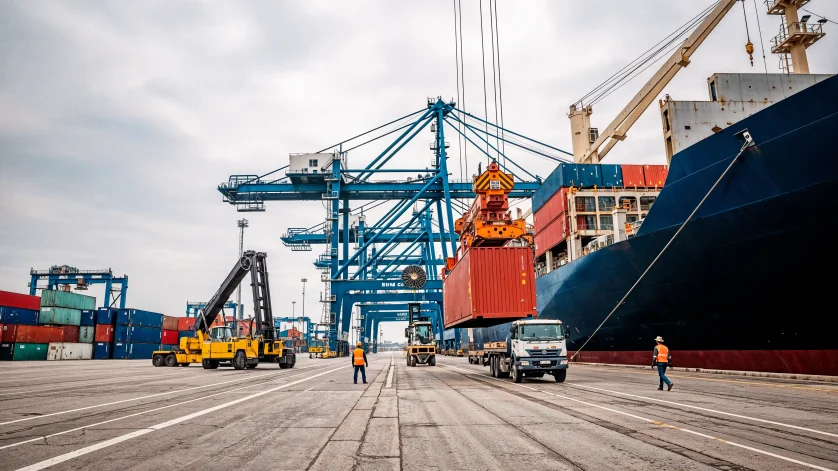
In terms of transportation, sea freight is the most commonly used method for shipping coconut shell charcoal briquettes overseas. Specifically, it offers cost efficiency and allows exporters to ship large quantities in a single container. Therefore, Full Container Load (FCL) shipments are often preferred to maintain product quality and reduce handling risks. However, Less than Container Load (LCL) may be used for smaller export volumes.
Export Documentation and Compliance
Additionally, documentation plays a key role in international shipping. Exporters must prepare documents such as commercial invoices, packing lists, bills of lading, certificates of origin, and other required export permits. Without these documents, smooth customs clearance becomes difficult and may result in delays or penalties in the destination country.
Customs Clearance and Import Requirements
Furthermore, each importing country has its own customs regulations. In some cases, markets require additional quality checks, including ash content, moisture levels, or calorific value standards. By understanding these requirements in advance, exporters can meet buyer expectations and avoid shipment rejection.
Logistics Coordination and Shipment Monitoring
After the shipment departs, logistics coordination continues throughout the delivery process. Tracking systems enable exporters and buyers to monitor shipment progress in real time and manage delivery schedules more efficiently. At the same time, good communication between all parties involved helps resolve unexpected issues, such as port congestion, weather disruptions, or minor delays.
Conclusion
Finally, the process of shipping coconut shell charcoal briquettes overseas involves careful planning and proper packaging to maintain product quality during transit. In addition, it requires accurate documentation and effective logistics management to comply with international trade regulations. By understanding each stage of the process, exporters and buyers can ensure smoother transactions, reduce risks, and build sustainable partnerships in the international charcoal market.
